 Holiday Home preferences are saved.
Holiday Lodge Ownership vs Flexible Access: What’s the Difference?
For many people, owning a holiday lodge represents freedom, relaxation, and a place to return to again and again.
But it’s also a significant lifestyle and financial decision.
If you’re currently researching whether buying a holiday lodge is worth it, you’ve probably started weighing up the pros and cons. In recent years, another option has begun emerging alongside traditional ownership — flexible access models.
So what’s the actual difference between owning a holiday lodge and accessing one without buying?
Let’s break it down clearly and objectively.
What Holiday Lodge Ownership Typically Involves
Buying a holiday lodge is more than just purchasing a property — it’s committing to a longer-term arrangement with a park.
Here are the main elements involved:
Upfront Purchase Cost
Holiday lodges typically require a significant initial investment. Depending on the park, location, and specification, this can range from tens of thousands to several hundred thousand pounds.
Ongoing Pitch or Site Fees
Owners usually pay annual pitch fees to the park. These contribute to site maintenance, facilities, security, and infrastructure.
Utilities and Running Costs
Electricity, gas, water, internet, and general upkeep are typically the owner’s responsibility.
Insurance and Maintenance
Lodges require specialist insurance and regular maintenance to remain in good condition.
Licence Length and Long-Term Commitment
Most holiday lodges sit on a licence agreement rather than freehold land ownership. Licence terms vary, but ownership is typically a medium- to long-term commitment.
Resale Considerations
Like many leisure assets, resale values can vary. Market conditions, lodge age, park popularity, and licence length all play a role.
For many buyers, these factors are perfectly acceptable in exchange for having a dedicated holiday home in a place they love.
What Flexible Access Looks Like
Alongside traditional ownership, some parks and platforms are exploring flexible access models.
Rather than purchasing the lodge itself, individuals enter into fixed-term agreements that allow them to use a lodge for an extended period — without taking on full ownership responsibilities.
Typically, this may involve:
-
No large upfront purchase
-
A defined usage period (for example, several months)
-
No responsibility for resale
-
A simpler exit at the end of the agreed term
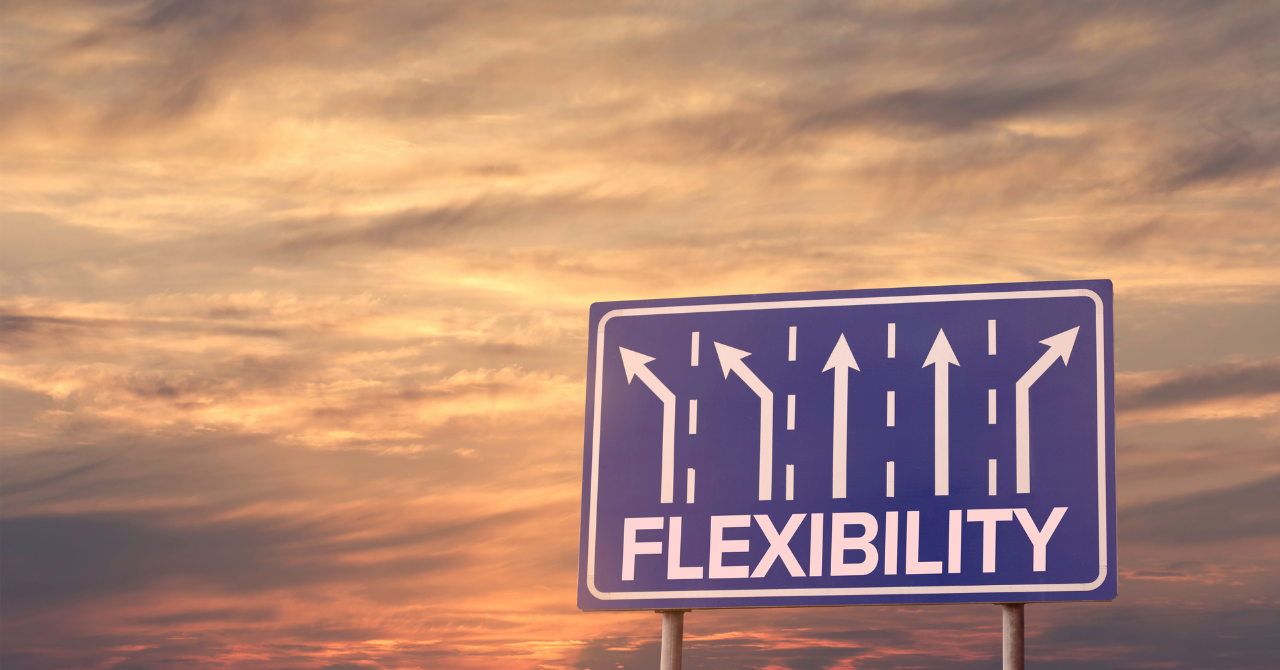
The core difference is commitment level. Flexible access is designed to provide the lifestyle experience of lodge living without the longer-term financial attachment of buying.
It’s not a replacement for ownership — but it can be an alternative route into lodge life for certain people.
Who Ownership May Suit Best
Buying a holiday lodge can be ideal for:
-
Long-term planners who know they want a base for years to come
-
Regular visitors to a specific park or location
-
Those comfortable committing capital to a leisure asset
-
Buyers who value having a place that’s fully “theirs”
For many, the sense of permanence and belonging that comes with ownership is part of the appeal.
Who Flexible Access May Suit
Flexible access arrangements may appeal to those who:
-
Like the idea of lodge life but aren’t ready to buy
-
Want to test park living before committing
-
Are between life stages (for example, recently retired or relocating)
-
Prefer lower financial commitment
-
Want lifestyle flexibility without resale concerns
For some, it’s a stepping stone.
For others, it’s simply a better fit for their current circumstances.
So, Is Buying a Holiday Lodge Worth It?
The answer depends entirely on your situation.
If you’re confident in long-term usage and comfortable with the commitment, ownership can provide stability and familiarity in a place you love.
If you’re unsure about long-term plans, or simply not ready to commit to buying, it may be worth exploring emerging alternatives that offer flexibility without ownership.
For those exploring whether it’s possible to enjoy lodge life without full ownership, we recently looked at this concept in more detail here:
👉 Holiday Lodge Without Owning
Final Thought
The key isn’t deciding which option is “better.”
It’s understanding which one fits your life right now.
As the holiday park industry evolves, more pathways into lodge living are beginning to appear — and having options allows people to choose what works best for them.