 Holiday Home preferences are saved.
Best Holiday Home Ownership Options in the UK with Subletting Income Potential
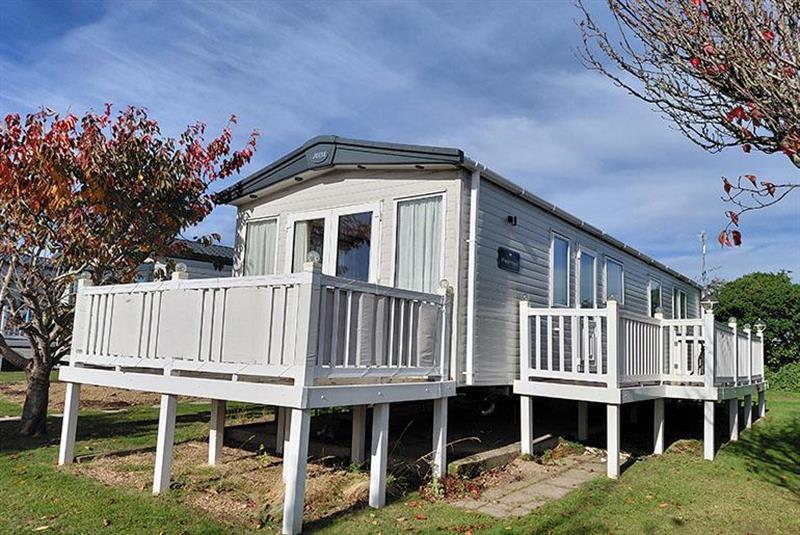
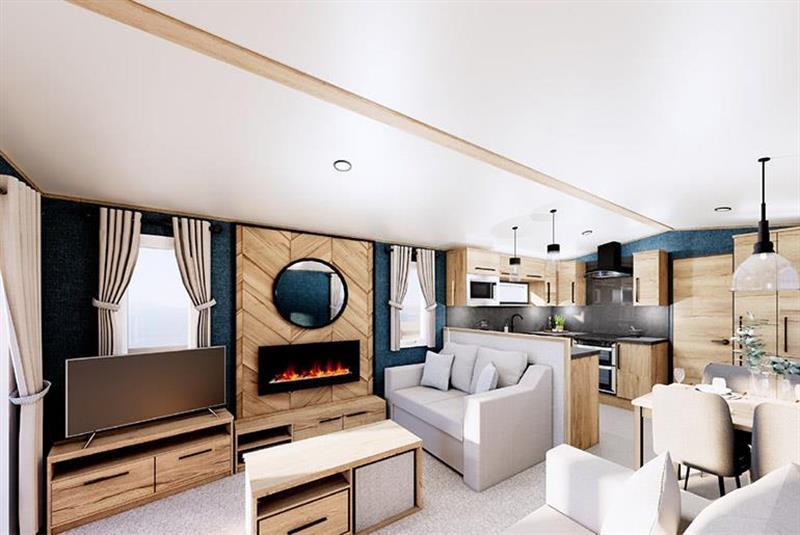
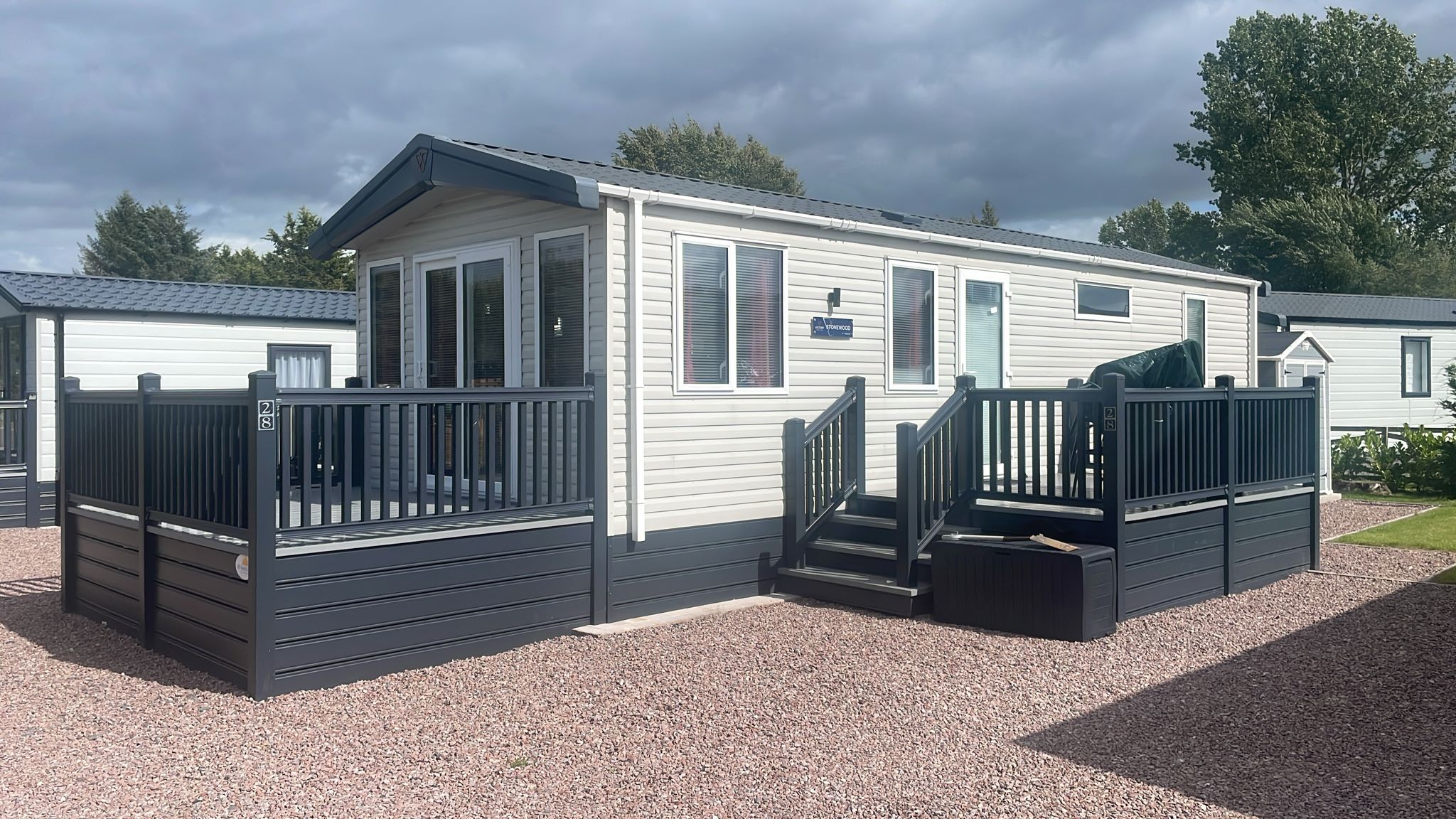
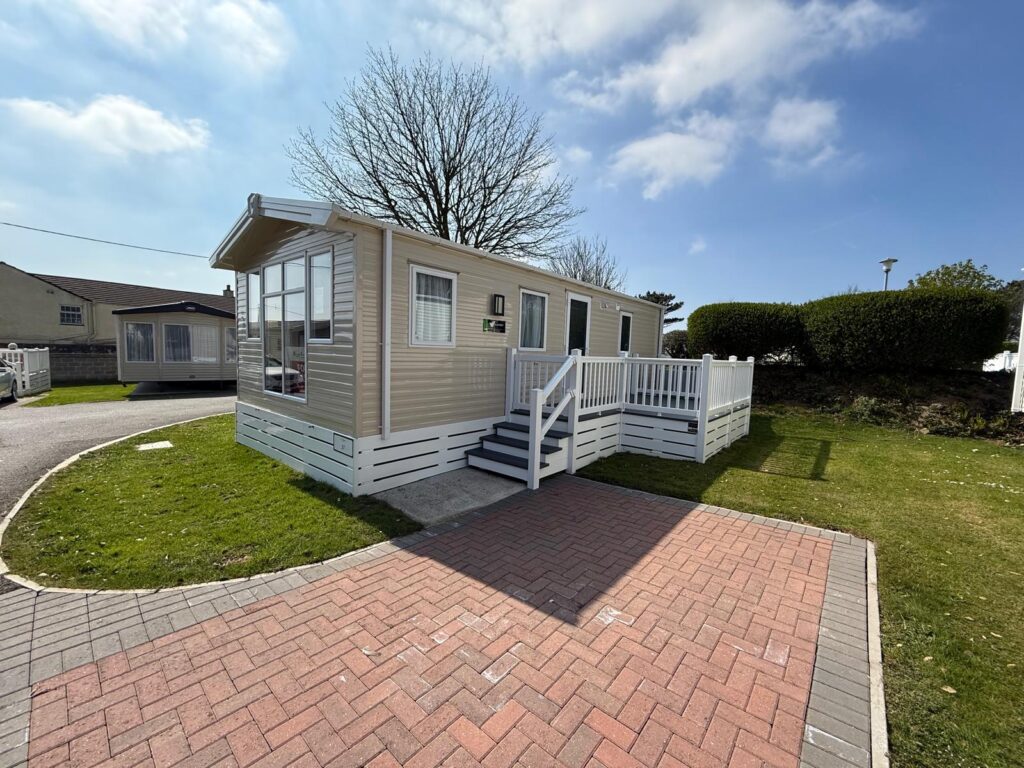
A growing number of buyers are drawn to UK holiday homes, and static caravans, lodges and chalets on holiday parks are all popular holiday home ownership options.
It’s not just the idea of regular getaways that appeals to buyers, but also the chance to earn subletting income when they aren’t using the property.
However, not all holiday homes are created equal, and some are better for generating subletting income than others.
How Subletting Works and What It Really Means
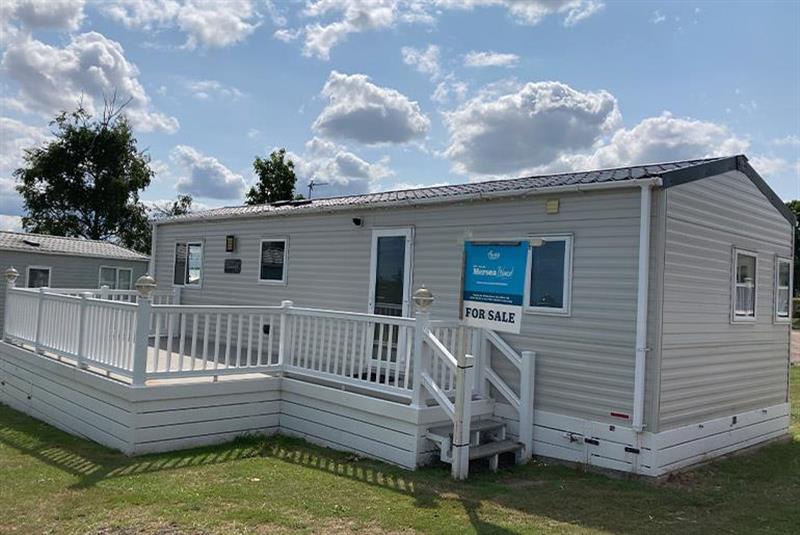
Subletting refers to renting out your holiday home to paying guests, basically turning unused weeks into income.
There are two main routes, park managed letting or owner managed letting.
The only difference is the former involves the holiday park marketing your caravan, handling bookings, checking in guests and cleaning, and the latter involves you handling everything yourself.
Static caravans on holiday parks are typically designated holiday-use only, meaning you can’t live in them full-time and you must abide by park rules.
But, that doesn’t mean you can’t make the most of holiday home ownership by renting your static caravan out to others.
Where Holiday Home Subletting is Most Flexible
Large Holiday Parks with Formal Letting Schemes
Parks operated by major companies are among the most subletting-friendly, often offering:
- Guaranteed income packages with fixed returns for a set period.
- Managed letting services handling bookings, cleaning and guests.
- Options to mix guaranteed income with demand-based revenue.
This setup can improve peace of mind and help to predict annual cash flow.
Independent Parks Allowing Owner-Managed Lets
Some parks allow owners to let independently.
These require more effort, but can boost net return if you control pricing and marketing.
Rules You’ll Encounter Before Renting Out Your Holiday Home
- Always check your park contract, as some parks state no subletting or require park consent first.
- If you let privately without permission, the park can penalise you, cancel your agreement or even evict you.
- Annual Gas Safety Certificate and Portable Appliance Testing (PAT) for electrical items are often needed.
- You’ll need to install smoke and carbon monoxide alarms, fire systems and proper guest safety notices.
- Make sure to have insurance that covers rental use, as your standard holiday home policy may not.
As Holiday Park Advice Centre explains, many parks will limit the number of weeks per year you can let out and impose rules on guest behaviour, so be sure to do your homework before starting the subletting journey.
Holiday Home Types and Income Potential
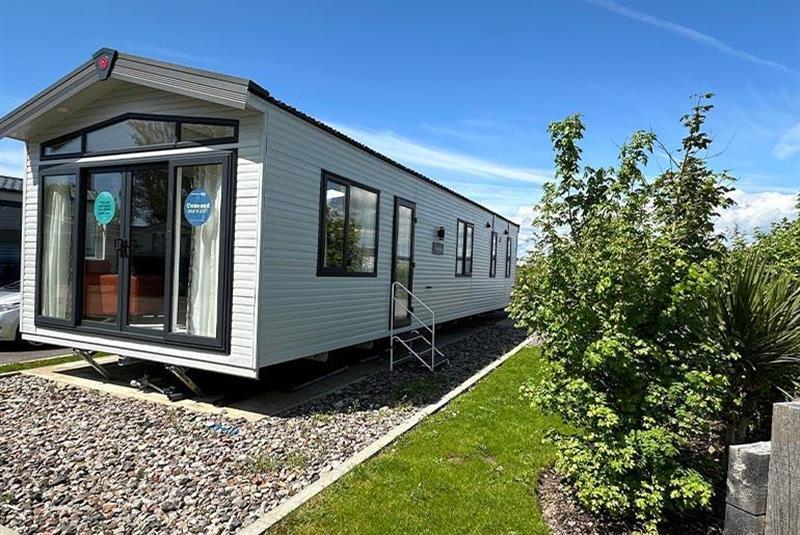
Week-by-week static caravan rentals in peak season can range widely but, according to Park Holidays, owners have reported earning up to £12,000 a year on a static caravan letting.
This is backed up by data from Go Caravanning, which shows that rentals in peak season can earn buyers between £500–£2,500 per week, depending on location and size.
Realistic Holiday Home Ownership Considerations
- Subletting can offset annual costs like pitch fees, insurance and utilities.
- Managed letting schemes save time and handle guests for you.
- Many parks give you the flexibility to block off weeks for personal use.
However, it’s important to remember that holiday home ownership isn’t always a profit-making investment.
With parks sometimes charging high fees that dampen returns, wear and tear from guests potentially increasing maintenance costs and no guarantee of bookings, subletting income is never certain.
Though there’s a high chance that you will be able to secure static caravan bookings, it’s impossible to say that you will definitely bring in a set amount of rental income each year.
With static caravans, subletting is more about offsetting costs than a guaranteed profit.
Sources
- Park Holidays, 2025
- My Holiday Caravan, Subletting and Ownership Guide, 2025
- GoCaravanning.com, 2025