 Holiday Home preferences are saved.
Private Static Caravans for Sale Sited: Could You Sell It Again?
Finding a privately owned static caravan already sited on a holiday park can feel like a shortcut to owning your own holiday retreat.
You can view the actual caravan, assess its condition and potentially pay less than you would for a new model sold through a park.
But, there’s another question worth asking before you buy — if you wanted to sell it again in a few years, how easy would that be?
It might seem strange to think about selling before you have even bought the caravan, but the answer could influence which model you choose, how much you offer and whether a seemingly attractive deal is actually worth pursuing.
When browsing private static caravans for sale sited on holiday parks, it is easy to concentrate on the immediate benefits – the price, the decking, the sea view or the money you could save compared with buying new.
However, the longer-term picture deserves just as much attention.
Five Things That Could Affect Your Ability to Sell
1. The Caravan’s Age When You want to sell
An older static caravan is not necessarily a bad purchase.
It might be well maintained, comfortably furnished and considerably cheaper than a newer model.
However, age can affect your future choices.
Some holiday parks set age limits for caravans remaining on their pitches or have requirements concerning condition and replacement.
The specific policy varies, so there’s no single age at which every static caravan becomes unsuitable for a holiday park.
Imagine buying a privately owned caravan that is already several years old.
You plan to enjoy it for another five years before selling.
If the park’s rules mean the caravan needs to be replaced or removed before then, your options could be very different from what you expected.
You might need to sell sooner than planned, negotiate with the park about your options or consider whether removal is practical.
An older model may still be the right choice if you are happy with the period you can use it.
The important thing is knowing the position before you buy, rather than discovering a restriction when you want to sell.
2. The Rules for Private Sales on That Particular Park
Two static caravans can look almost identical and have similar asking prices, yet offer different resale options because they are on different parks.
One park might have a straightforward process for owners selling privately, but another might have specific requirements about how a sale is handled, what paperwork needs to be completed or whether the incoming owner needs to meet certain conditions.
Don’t assume that because a seller is advertising their caravan privately, you’ll be able to sell it in the same way later.
Ask the park to explain its current process for a private sale.
Find out whether the caravan can remain on its pitch, whether the incoming buyer must meet particular requirements and whether any fees or other conditions apply.
If the park offers more than one route for selling, such as selling to the park or finding a private buyer, ask how those options differ.
You may not need to decide how you would eventually sell, but understanding the alternatives helps you judge how much flexibility you would have.
3. The Cost of Selling or Moving the Caravan
A low purchase price can look less attractive once you consider the costs associated with leaving the park.
Depending on the arrangements, selling may involve a commission, administrative charges, outstanding amounts due to the park or other costs specified in the relevant agreement.
If the caravan can’t be sold to another owner who will keep it on the pitch, moving it elsewhere could involve specialist transport and potentially storage or preparation costs.
Not every sale will involve all these expenses, and the charges that apply to one park may not apply to another.
The useful exercise is to ask for the figures before you buy.
You don’t need to predict exactly what selling will cost years from now.
You do need to understand the current terms well enough to identify any major financial risks.
4. Whether the Pitch Appeals to the Next Buyer
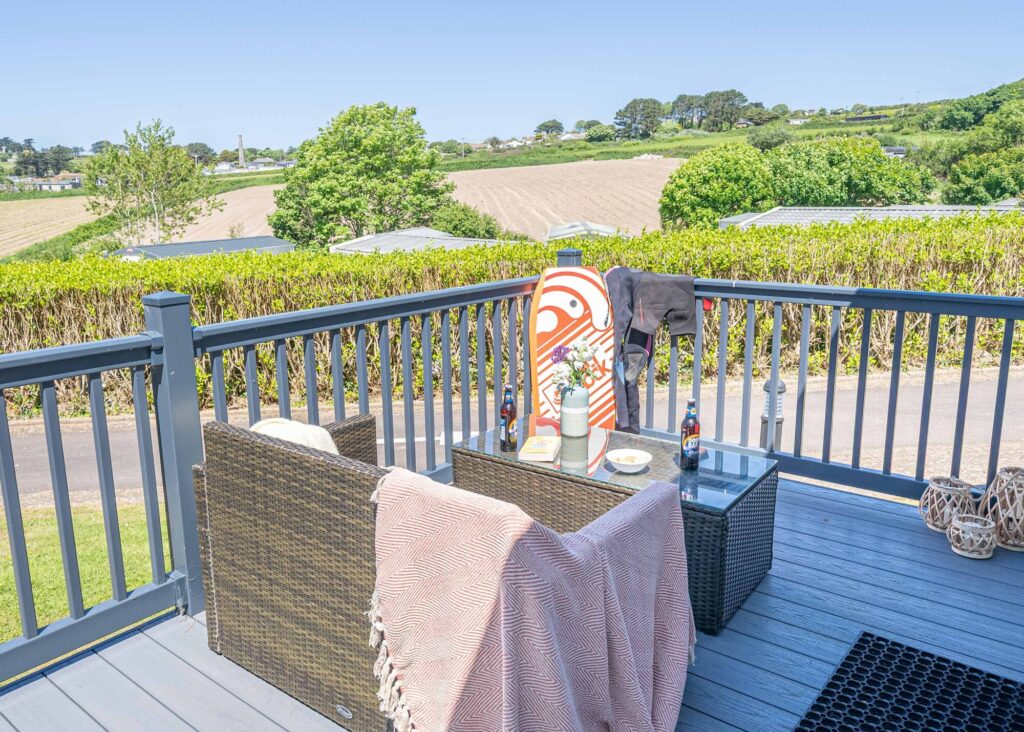
You might love a particular pitch because it is close to the facilities, tucked away in a quiet corner or positioned to catch the afternoon sun.
But, would someone else value it for the same reasons?
When you buy a static caravan privately, try to assess the pitch as if you were viewing it for the first time.
Look at the practical details that another buyer might notice – parking, access, privacy, neighbouring caravans, noise and the distance to amenities.
A pitch beside a busy entertainment venue might be ideal for a family that wants to be close to the action, but less appealing to someone seeking a peaceful break.
A secluded location might feel lovely and private, but be less convenient for visitors who struggle with long walks.
Neither type of pitch is inherently better.
The question is whether its advantages are likely to appeal to the people who might eventually buy your caravan.
5. The Caravan’s Appeal Beyond Its Current Owner
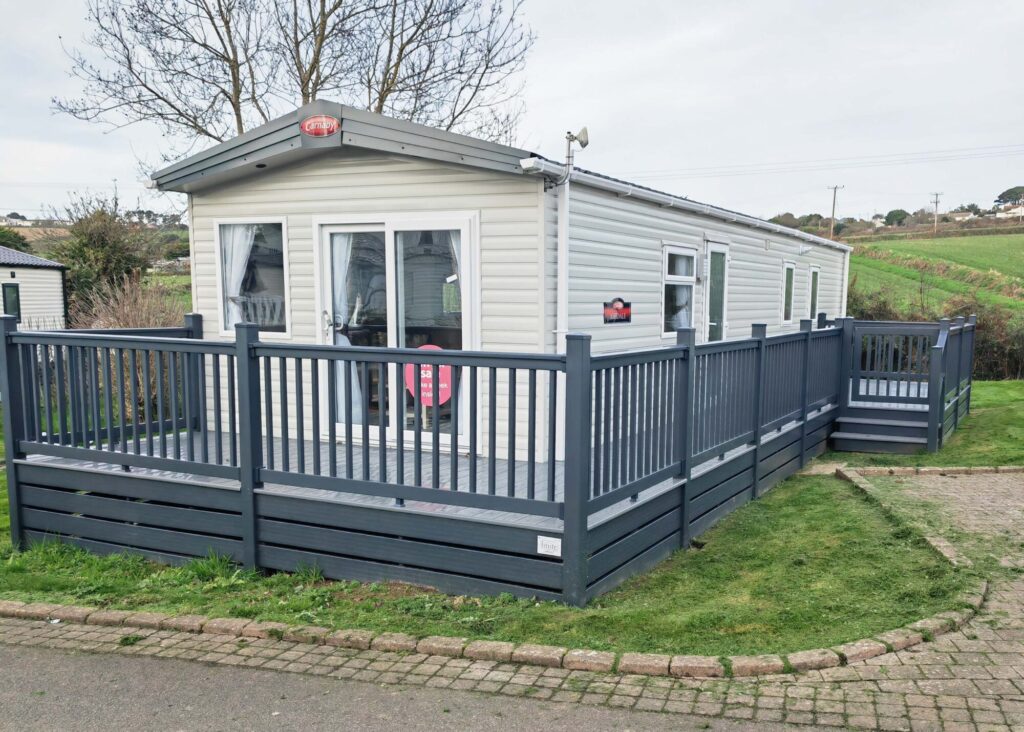
A private seller might have added decking, upgraded the furniture, installed extra appliances or decorated the interior to suit their tastes.
Some of these improvements might make the caravan more attractive to you, but others might not add as much value as the seller believes.
Think about the difference between improvements that make a caravan more enjoyable to use and changes that are likely to matter to a future buyer.
A clean, well maintained interior, practical storage and a layout that works for different households can all help a caravan make a good impression.
Highly personal décor or expensive additions may be less important to someone else.
This doesn’t mean you should avoid a caravan that reflects its owner’s personality.
You’re buying it to enjoy, after all.
It simply means you should be cautious about paying a premium for extras because the seller has invested money in them.
Is a Private Static Caravan Still Worth Buying?
Absolutely, as long as the static caravan, pitch and terms suit your plans.
Buying privately can give you the opportunity to view an existing holiday home, compare different models and consider options that may not be available through a park’s own sales team.
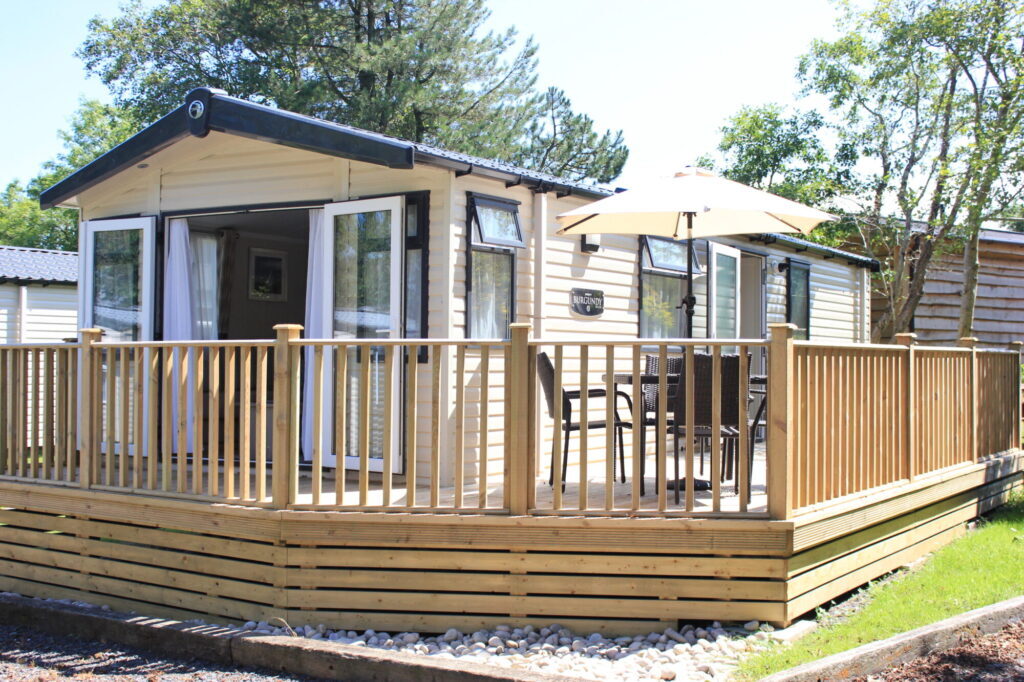
You might find a premium caravan with the layout you want in a location you already enjoy visiting.
The mistake is to judge the deal entirely by the asking price.
A caravan that costs less today could come with restrictions that make it harder to sell later.
Conversely, an older model on a suitable pitch could be a sensible purchase if you understand its limitations and plan to use it accordingly.
The right decision comes down to the whole arrangement – the caravan’s condition, the pitch, the park’s rules, the ongoing costs and the options available if you want to move on.
Before you buy, imagine yourself as the next seller.
If you can explain how you would sell the caravan, what restrictions might apply and which costs you would need to consider, you’ll be in a much stronger position to decide whether the purchase makes sense.