Holiday Home preferences are saved.
The £9,995 Static Caravan Trap: Why Buying Cheap Can Cost You More
There is something incredibly tempting about seeing a static caravan advertised for £9,995.
For less than the price of many new cars, you could have your own holiday home. Your own place to escape to at weekends. Somewhere you can leave your clothes, put the kettle on and start relaxing the moment you arrive.
And here’s the important bit:
There is absolutely nothing wrong with a £9,995 static caravan.
There are some genuinely great-value holiday homes at the lower end of the market, and you’ll regularly find affordable static caravans for sale through Parklink.
But after years of experience working with holiday parks and buyers, there’s something we’ve seen time and time again.
The cheapest static caravan isn’t always the cheapest way to own one.
Sometimes buying cheap means buying twice.
And that’s where things get interesting.
Cheap Doesn’t Mean Bad
Let’s get this out of the way first.
We’re not going to tell you that you need £50,000, £80,000 or £100,000 to enjoy holiday home ownership.
You don’t.
Depending on the park and location, there are static caravans available from around £9,995, and some of them represent excellent value.
An older caravan that’s been well looked after could give you years of fantastic holidays.
But you need to understand what you’re buying.
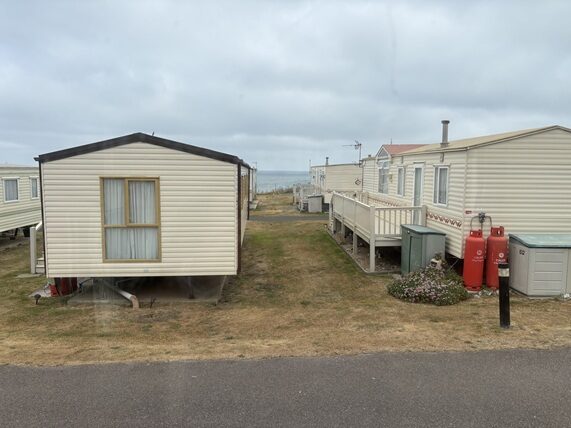
At the lower end of the market, you might find a caravan that’s:
- 10ft wide rather than 12ft
- single glazed rather than double glazed
- without central heating
- older in design and specification
- more basic inside
- approaching the later stages of its park licence
None of those things automatically make it a bad caravan.
The question is much simpler:
Will you still be happy with it six months from now?
The Upgrade Nobody Planned
This is where our experience working on holiday parks comes in.
People would arrive looking for the cheapest caravan.
They’d see one at an attractive price.
They’d buy it.
Then they’d start spending time on the park.
And suddenly they’d notice the caravan three pitches away.
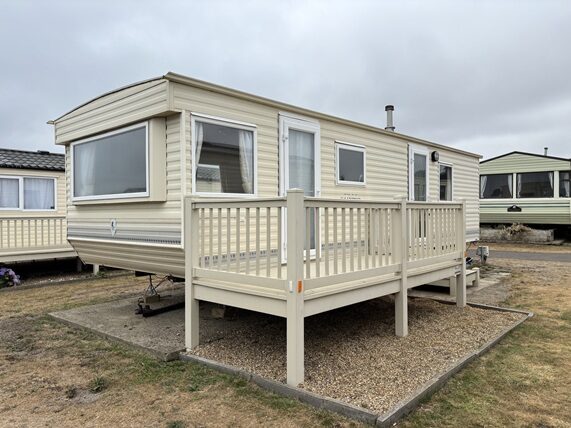
It was wider.
It had central heating.
The lounge felt bigger.
The kitchen was nicer.
It had better furniture.
Maybe it had decking.
Maybe it was simply a more modern holiday home.
And then came the conversation.
“How much would it cost to upgrade?”
From our experience, 9 times out of 10, buyers who initially went for the really cheap option ended up wanting something better — sometimes within days, weeks or months.
That’s when buying cheap can become expensive.
Buying Twice Can Cost More Than Buying Once
Imagine you have £30,000 available for a static caravan.
You see one advertised for £15,000.
Great.
You’ve saved £15,000.
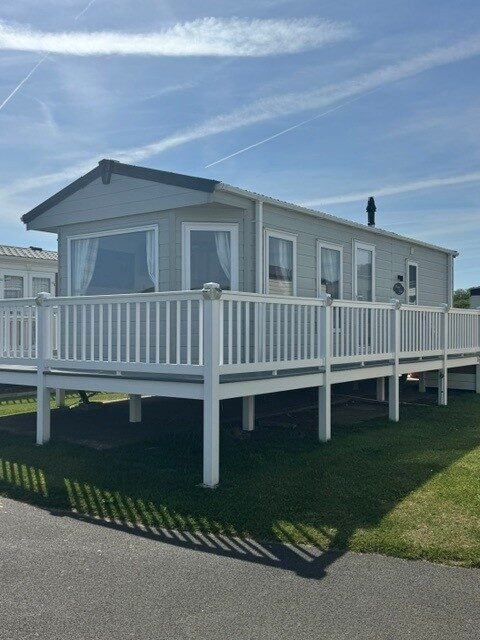
Except three months later you realise you really wanted the £28,000 caravan you saw further along the park.
Now you need to sell or trade your existing caravan before buying the better one.
There may be a difference between what you paid and what you’re offered for it.
There may be costs associated with changing.
And you’ve gone through the buying process twice.
Suddenly the £15,000 caravan wasn’t necessarily the bargain it appeared to be.
Sometimes spending more at the beginning can actually mean spending less overall.
But Don’t Spend £30,000 Just Because You Have £30,000
There’s another side to this.
We don’t believe buyers should automatically spend their maximum budget either.
If you have £30,000 available, don’t walk onto a holiday park thinking:
“Show me your £30,000 caravans.”
Think:
“Show me the best holiday home for what I actually need.”
You might find exactly what you want for £28,000.
Perhaps it’s £25,000.
Maybe you’ll find a brilliant pre-owned caravan for £20,000.
Great.
Keep the difference.
The aim isn’t to spend as much money as possible.
It’s to buy well.
£30,000 Doesn’t Buy the Same Caravan Everywhere
This is something buyers quickly discover when they start searching.
A £30,000 budget can buy very different things depending on where you’re looking.
Location matters.
The holiday park matters.
The age and specification of the caravan matter.
Demand matters.
A £30,000 caravan on a premium coastal park could be completely different from a £30,000 caravan on a smaller independent countryside park.
That’s why comparing the wider market is so important.
Don’t judge value purely by the number on the sales board.
Ask:
What am I actually getting for my money?
The £10,000 Caravan With £8,000 Site Fees
Now we come to one of the biggest things buyers need to check.
Imagine you’ve found a static caravan for £10,000.
Fantastic price.
But the annual site fees are £8,000.
That doesn’t necessarily make it a bad purchase. The park might have an incredible location, excellent facilities and everything you want from holiday home ownership.
But the £10,000 purchase price only tells you part of the story.
Now imagine another caravan costs £25,000 but sits on a park with significantly lower annual fees.
Over several years, those two ownership experiences can look very different financially.
This is why we always encourage buyers to look beyond the headline price.
The caravan is what you buy once. Site fees are what you continue paying.
Ask About Site Fees Before You Fall in Love With the Caravan
It’s very easy to walk into a beautiful caravan and start imagining yourself owning it.
You’ve mentally chosen the cupboard for the wine glasses before you’ve even asked what the annual costs are.
Ask first.
Find out:
- What are the current site fees?
- What do those fees include?
- Are utilities included or separate?
- Are there additional charges?
- How have fees changed historically?
- What other annual ownership costs should you expect?
You don’t need to find the park with the cheapest site fees.
You need to find one where the costs are comfortable for you.
There’s a big difference.
Double Glazing and Central Heating Might Matter More Than You Think
A basic caravan can be absolutely perfect for summer weekends.
But what about October?
Or March?
Or that surprisingly freezing weekend in May when Britain decides winter isn’t quite finished?
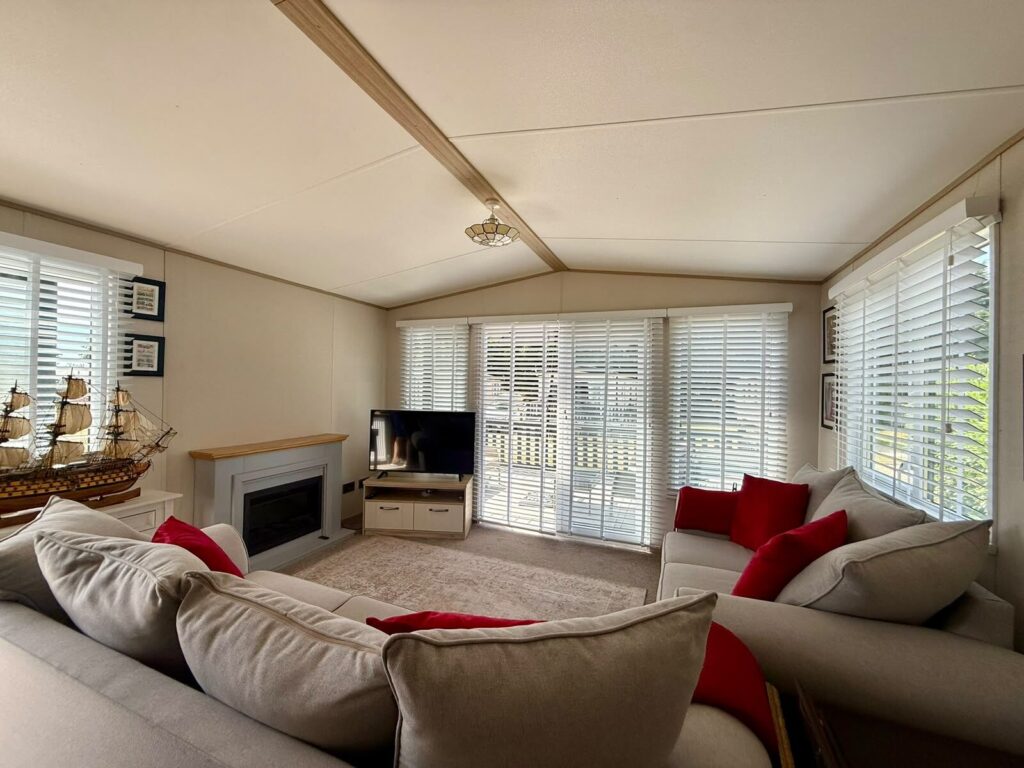
If you’re planning to use your caravan throughout a long holiday season, features such as double glazing and central heating may become much more important.
This is why buying based entirely on price can backfire.
The £9,995 caravan might do everything you need.
But if you already know you’re going to want a warmer, wider, better-equipped model, buying the basic one first might simply delay the inevitable.

The 10ft vs 12ft Question
Two feet doesn’t sound like much.
Until you’re standing inside the caravan.
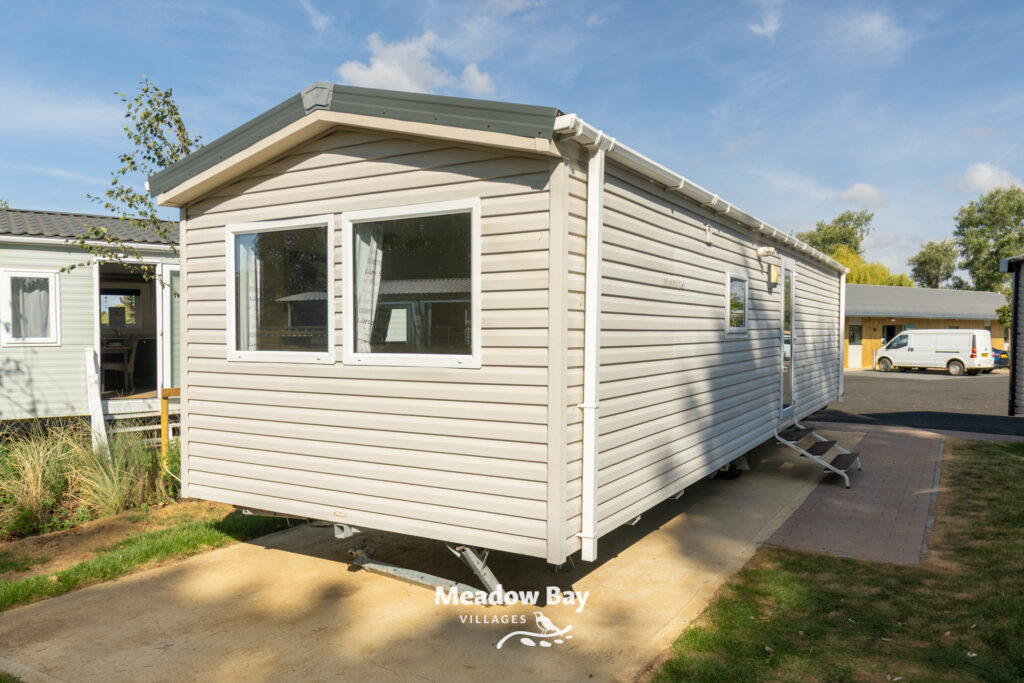
A 10ft-wide static caravan can be perfectly comfortable, particularly for couples or occasional use.
But moving to a 12ft-wide model can make the living space feel noticeably different.
If you’ve never compared them, do it.
Walk around both.
Sit on the sofa.
Stand in the kitchen.
Imagine everyone who’ll regularly be using the caravan being there at the same time.
Don’t buy the specification. Buy the space you actually need.
Don’t Buy for the First Weekend
Buy for the way you’re likely to use your caravan over the next few years.
That changes the questions you should ask.
Will you visit mostly during summer?
Will you use it during colder months?
Will grandchildren regularly stay?
Will friends visit?
Do you need two bedrooms or three?
Would decking genuinely improve how you use the caravan?
Do you care about having an en-suite?
Are you going to wish you’d bought a larger model?
This doesn’t mean buying every available upgrade.
It means thinking beyond the excitement of simply becoming an owner.
Sometimes the Cheapest Caravan Is Exactly the Right One
Here’s the twist.
After everything we’ve just said, sometimes you should buy the £9,995 caravan.
If it’s comfortable.
If it’s in good condition.
If the park is right.
If the site fees work for you.
If you’re happy with the specification.
If you understand the licence arrangements.
And most importantly, if it gives you everything you actually want from ownership.
Why spend £40,000 when £10,000 genuinely does the job?
That’s not buying cheap.
That’s buying well.
Pre-Owned Static Caravans Can Be Fantastic Value
This is also where pre-owned caravans become interesting.
Someone else may already have paid the premium associated with buying new.
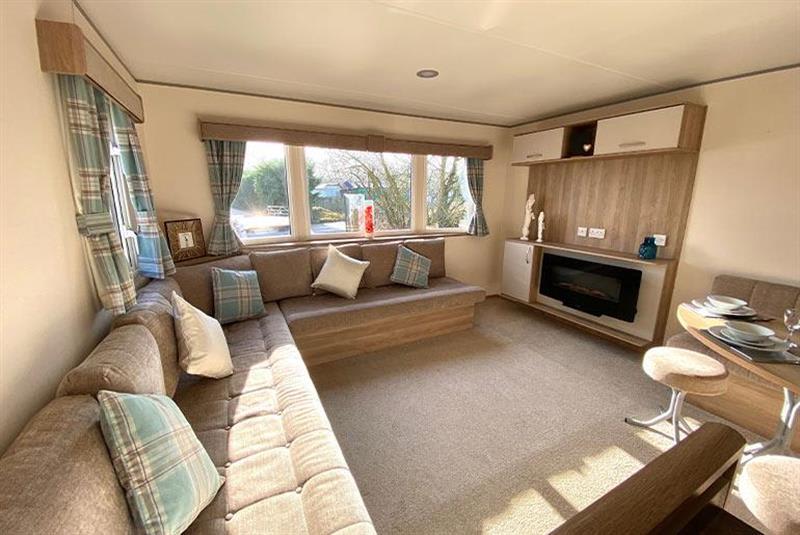
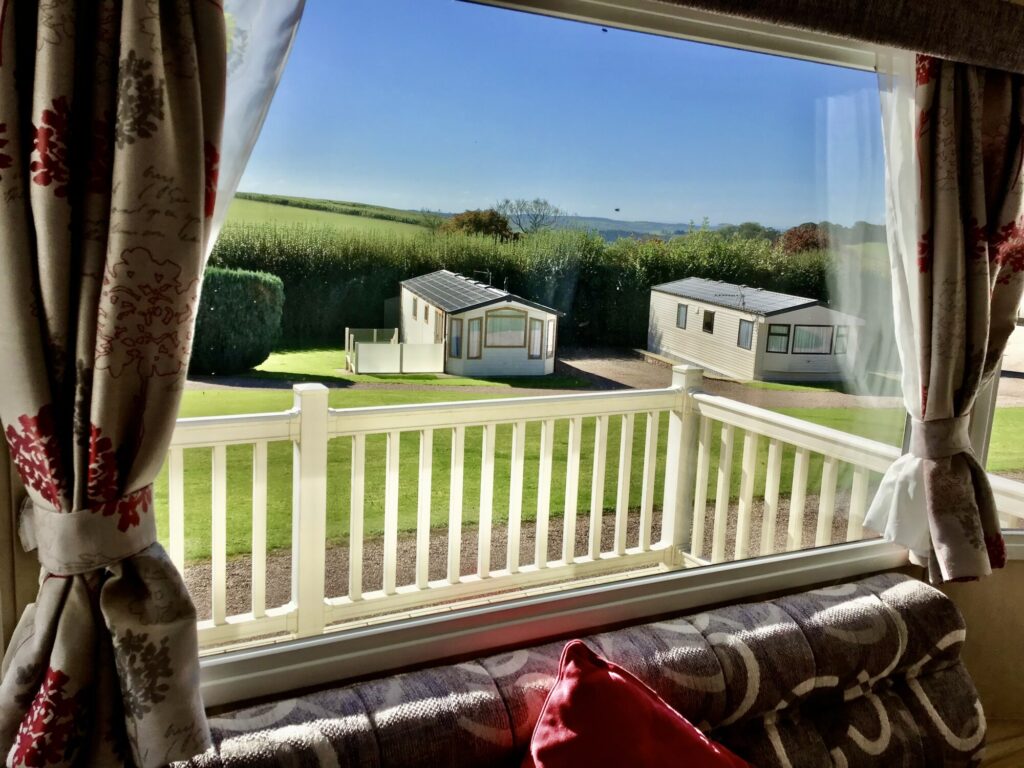
The caravan might already have decking.
Furniture may be included.
There could be other extras that would cost considerably more to add separately.
And you’re buying a holiday home that’s already established on its pitch.
A good pre-owned static caravan can therefore sit in a very attractive middle ground.
Not necessarily the cheapest.
Not the newest.
Not the flashiest.
Just a lot of holiday home for the money.
Don’t Let “Cheap” Become Your Main Search Criteria
Price matters.
Of course it does.
Everyone has a budget.
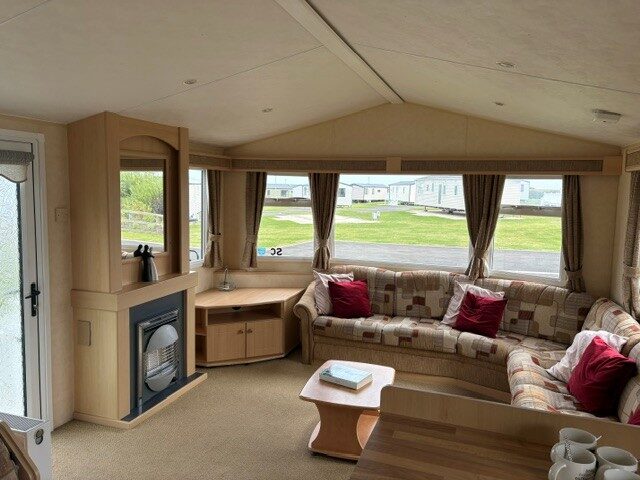
But there’s a difference between having a budget and making cheapness the objective.
Instead of asking:
“What’s the cheapest static caravan you’ve got?”
Try asking:
“What’s the best static caravan I can comfortably afford?”
That one change in thinking can lead you towards a completely different holiday home.
Spend More on the Caravan or Choose a Different Park?
Here’s another question worth asking.
Suppose the caravan you really want is beyond your budget on one particular holiday park.
Don’t immediately give up on the caravan.
Look at another park.
The UK holiday home market is enormous.
There are major holiday park groups, small independent parks, coastal parks, countryside parks, owners-only parks and everything in between.
Pricing can vary enormously.
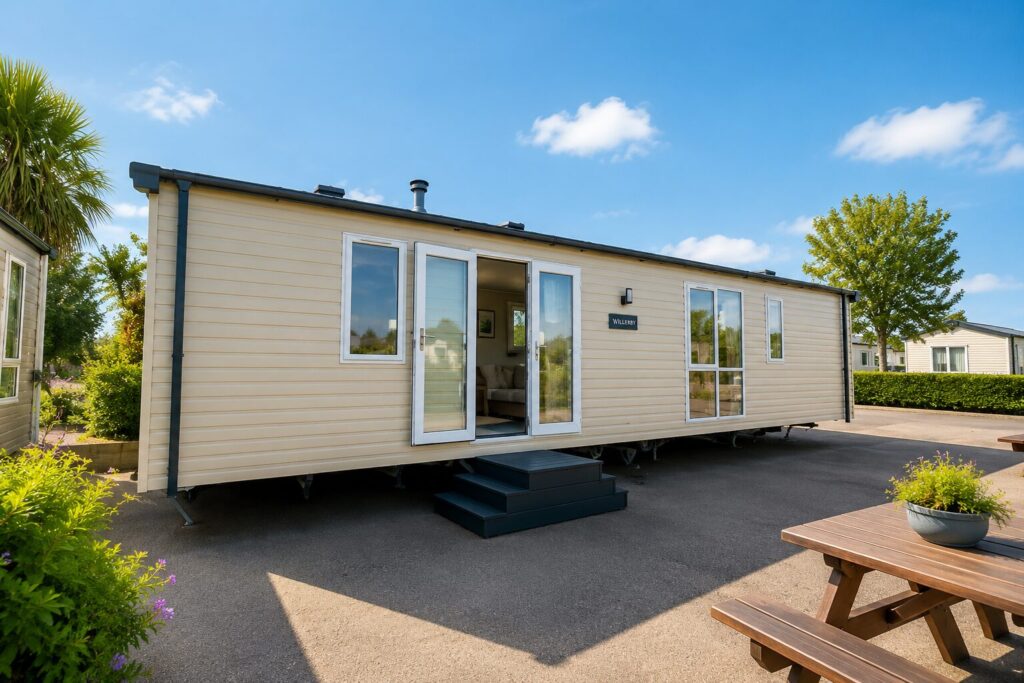
You might discover that the type of caravan you thought was unaffordable becomes realistic simply by looking in a different location or at another park.
That’s one reason Parklink brings together hundreds of holiday parks rather than steering buyers towards a single operator.
Sometimes the solution isn’t buying a cheaper caravan. It’s looking at a different park.
The Best Deal Might Not Have the Lowest Price
Imagine two caravans.
One is £15,000.
The other is £25,000.
Looking purely at the price, the first one wins.
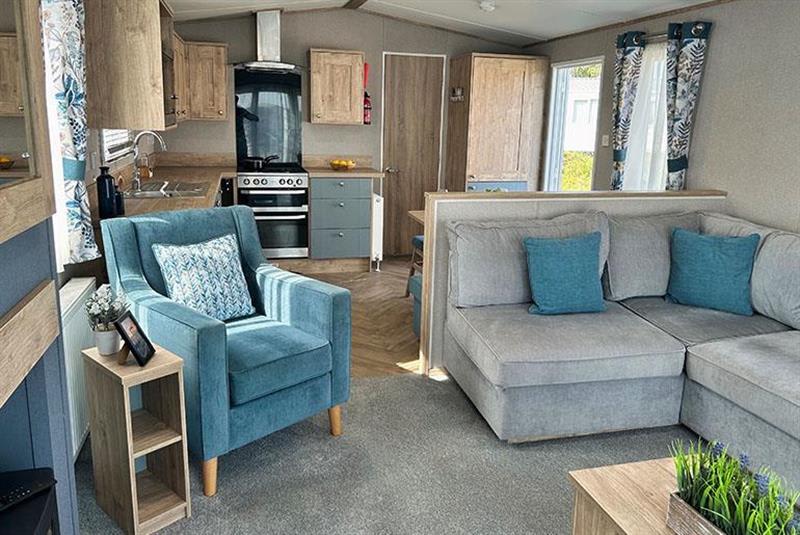
But what if the £25,000 caravan has:
Double glazing.
Central heating.
More space.
Better condition.
A specification you’ll enjoy for years.
And no immediate desire to upgrade.
Which is cheaper now?
That’s much harder to answer.
And that’s exactly the point.
The Most Expensive Mistake Is Buying Something You Don’t Really Want
Buyers are generally pretty savvy.
Once people start viewing caravans, they quickly recognise differences in quality and specification.
The danger comes when the low advertised price gets them through the door and they convince themselves:
“This will do.”
Those three words can become expensive.
If you already know you’d prefer the next model up, think carefully before buying the cheaper one.
Because the excitement of owning a static caravan can wear off surprisingly quickly if you’re constantly looking at the caravan next door thinking:
“I wish we’d bought that one.”
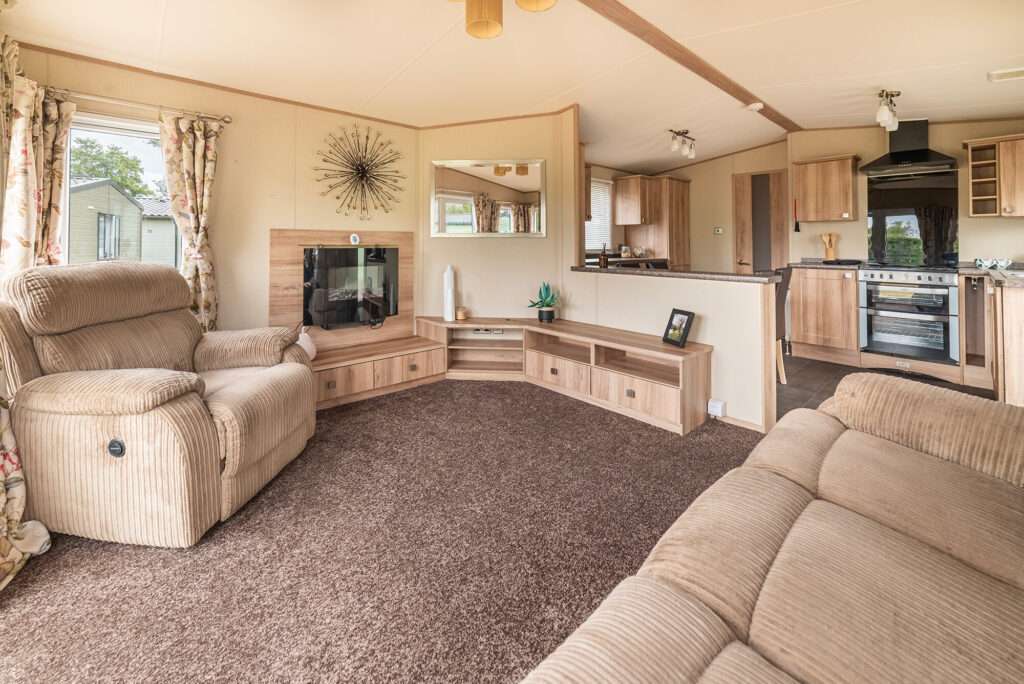
Find Your Number, Not the Cheapest Number
Before you start searching, decide what you’re comfortably prepared to spend.
Not what you could technically afford.
What you’re comfortable spending.
Then look across that range.
If your maximum is £30,000, perhaps compare caravans from £20,000 to £30,000 rather than immediately filtering from lowest price upwards.
See what changes as the price increases.
You might discover £5,000 extra buys you something significantly better.
Or you might discover it buys you features you couldn’t care less about.
Both discoveries are useful.
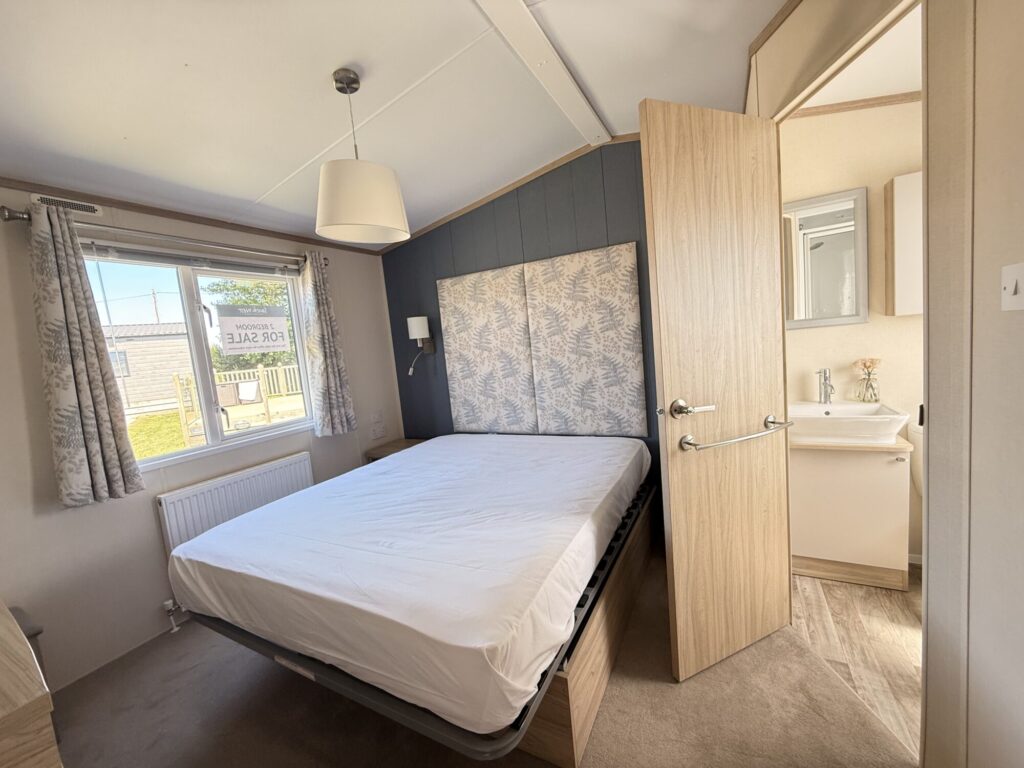
So, Should You Buy a £9,995 Static Caravan?
Possibly.
We list static caravans around this price point because there are buyers for whom they make perfect sense.
Affordable caravans can provide an incredibly accessible route into holiday home ownership.
But don’t buy one because it’s £9,995.
Buy it because you’ve looked at what else is available and decided:
“This caravan gives me everything I need.”
That’s completely different.
Likewise, don’t spend £50,000 simply because someone tells you the more expensive caravan is better.
Better for whom?
A caravan is only better if the things you’re paying extra for actually improve your ownership experience.
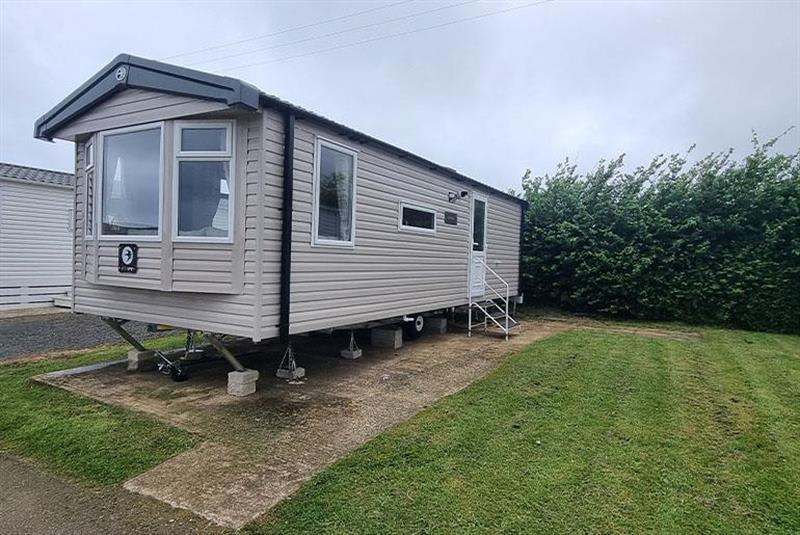
The Parklink Approach: Compare Before You Buy
Parklink is independent.
We’re not trying to persuade you to buy the most expensive caravan.
We’re not trying to persuade you to buy the cheapest one either.
And we don’t particularly care whether you ultimately choose a major holiday park group, a small family-run independent park or a private-sale holiday home.
What matters is that you’ve looked around.
Compare locations.
Compare parks.
Compare site fees.
Compare new and pre-owned holiday homes.
Compare £10,000 caravans with £20,000 caravans.
Then compare those with £30,000 caravans.
You’ll soon start seeing where your personal sweet spot sits.
You can browse static caravans for sale across the UK on Parklink and compare different parks, locations, prices and holiday homes in one place.

The £9,995 Static Caravan Isn’t the Trap
Buying cheaply isn’t the trap.
Buying purely because something is cheap is.
If the £9,995 caravan is exactly what you need, you’ve potentially found yourself a brilliant deal.
But if you’re buying it while secretly wanting the £25,000 one next door, think carefully.
Because we’ve seen what often happens next.
Days become weeks.
Weeks become months.
And before long:
“How much would it cost us to upgrade?”
Sometimes the smartest way to save money is surprisingly simple.
Buy the right caravan the first time.